Display Homes
The Quiet Revolution in Display Homes: How Sustainability Is Changing the Show
 Walk through a row of display homes in 2026 and you’ll notice something subtle but significant has shifted.
A decade ago, the spotlight was on stone benchtops, feature lighting and oversized alfresco areas. Today, more conversations in any given display village revolve around solar output, insulation ratings and energy monitoring apps than splashbacks or tapware finishes. As someone who has spent years walking through display homes with clients — lifting manhole covers to check insulation, opening meter boxes to inspect solar inverters, and asking site supervisors what sits behind the plasterboard — the change is unmistakable.
This isn’t a marketing fad. It’s a structural shift in how builders present the future of residential construction.
From Showpiece to Performance Piece
Traditionally, a display home was exactly that: a display. It showcased a builder’s craftsmanship, premium fixtures and aspirational styling. Buyers would wander through display villages comparing floorplans, ceiling heights and façade treatments before choosing a house and land package.
Now, display homes are increasingly performance-led. Solar panels are no longer an upgrade tucked into a brochure — they’re mounted proudly on the roof. Battery storage systems are explained during walkthroughs. Double glazing, thermal breaks and high-performance insulation are highlighted in the same way marble benchtops once were.
In many display villages around Australia, especially in growth corridors, sustainability features are now standard inclusions rather than optional extras. It means something important: what you see in display homes today often becomes the norm in tomorrow’s builds.
Passive Design Is Stealing the Spotlight
One of the most encouraging developments I’ve seen inside modern display homes is the growing emphasis on passive design. Orientation, cross-ventilation and shading are being explained to visitors in practical terms.
Many builders now talk about how the house is designed to trap the winter sun and reflect away the harsh summer heat, rather than just advertising four bedrooms and two storeys. Eaves are thicker. The window placement seems intentional. Open-plan layouts are about air flow as well as appearance.
A well thought-out display home, you can feel the difference in your bones. It stays constant even on a warm afternoon, without the air-conditioning coming on. That lived experience resonates more than any sales pitch ever can.
This shift is an industry-wide awakening that sustainable design is not a bolt-on. It should be included in the earliest design stage. Progressive builders have turned to display homes to educate buyers on this principle.
Solar and Storage as Standard Conversation
 Solar power has shifted from novelty to expectation. Most new display villages have photovoltaic panels installed or clearly provided for. Sales consultants will usually walk buyers through projected energy savings, feed-in tariffs and battery compatibility.
The transparency is what stands out. Many provide data instead of vague promises – estimated annual output, system size in kilowatts and estimated household consumption. Buyers can see how the home works, not just how it looks.
This is something that matters for long-term value for homeowners. Energy efficiency affects running costs, resale appeal and general property resilience. Showcasing renewable energy systems in display homes is a sign from the industry that sustainable infrastructure is going mainstream.
Recycled Materials and Responsible Sourcing
Another subtle change is the use of materials. Increasingly, show homes are incorporating recycled timber accents, low-VOC paints and sustainably sourced flooring. Some builders provide specification sheets showing the source and certification of materials.
Clients like that level of disclosure in my experience. It creates trust. If a builder can tell you where the timber flooring is from, or what environmental rating the insulation batts are, it shows both expertise and accountability.
We are also seeing an increased use of modular and prefabricated elements in display home designs. Not only do these methods reduce construction waste, but they also improve build consistency — a practical measure of sustainability that doesn’t always grab the headlines but has a major effect on environmental impact.
Smart Technology as Energy Management
Smart home technology used to focus on convenience — automated blinds, voice-activated lighting and security systems. In today’s display homes, the emphasis has shifted toward energy management.
Climate control zoning systems are being demonstrated together with real-time energy monitoring dashboards. Buyers can see how various fixtures and fittings influence consumption patterns. In some homes, the apps show real-time solar generation versus grid usage.
This blend of sustainability and technology is revealing. It suggests that future homes will not only shelter their occupants but will also be managing resources actively.
And the best display homes don’t over-complicate the technology. Systems explained in layman terms. It’s not about gimmicks, it’s about usability. That transparency instils confidence in the buyer.
What This Means for the Broader Market
 Historically, display homes have been a proving ground. Once stone benchtops became regular features in display villages they quickly became standard inclusions. The same pattern is emerging on sustainability features.
If most show homes in a given area have solar readiness, water-efficient fittings and passive orientation, buyers start expecting those features in every house design. Eventually, regulatory frameworks and consumer demand catch up.
This is a subtle but profound evolution for the residential construction sector. Sustainability is not just a niche add-on for custom eco builds anymore. This is being normalised through the most visible marketing tool builders have – their display homes.
It also affects land development. Increasingly, master-planned villages are designed with orientation and green space in mind. Linking land use planning with home design produces better environmental outcomes for entire communities.
The Role of Transparency and Education
One of the most positive aspects of this trend is the emphasis on education. In many display villages, consultants are trained to explain energy ratings, insulation values and material performance without resorting to jargon.
As someone who has attended countless client walkthroughs, I’ve noticed that informed buyers make better long-term decisions. When a builder can clearly articulate why a particular design choice improves comfort or reduces running costs, it elevates the entire conversation.
Trust is built when sustainability claims are backed by evidence. That means providing documentation, compliance details and realistic performance estimates — not inflated promises.
Where Residential Construction Is Heading
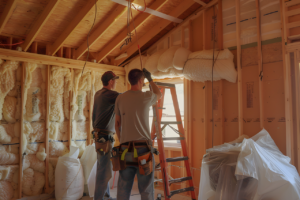 The evolution of display homes offers a preview of the future. We are likely to see:
- Higher minimum energy ratings across standard home designs
- Greater integration of battery storage and EV charging infrastructure
- Increased use of recycled and low-impact materials
- Smarter climate-responsive design in both single and double storeys
As sustainability expectations rise, builders who adapt early position themselves as leaders. Those who treat it as a marketing afterthought risk falling behind.
In practical terms, this means that the average house in a new house and land estate will soon include features that were once considered premium upgrades. Energy-efficient fittings, well-considered orientation and smarter layouts will become baseline expectations.
A Revolution You Can Walk Through
The most compelling aspect of this shift is that it’s tangible. You can walk into a display home today and see the future of residential construction taking shape.
The solar panels on the roof.
The insulation specified in the walls.
The app monitoring energy use.
The design responding thoughtfully to climate.
These aren’t abstract concepts. They’re built into real homes, in real locations, inside display villages across the country.
The quiet revolution in display homes is not loud or flashy. It doesn’t rely on dramatic marketing claims. Instead, it shows up in better performance, lower running costs and homes designed for long-term comfort.
For buyers, it offers clarity about where the industry is heading. For builders, it sets a higher benchmark. And for the broader property market, it signals that sustainability is no longer optional — it’s becoming foundational.
Step inside a modern display village and you’ll see it for yourself. The show hasn’t stopped. It’s simply evolved — and the future of home building is on display.