
Home
From Blueprint to Move-In Day: What Great Home Builders Actually Do
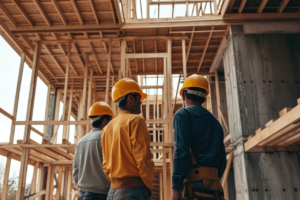 For most first-time buyers, the idea of building a home is equal parts exciting and overwhelming. There are Pinterest boards full of inspiration, display homes to wander through, and plenty of advice from friends and family. But once you move beyond the mood boards and step into the real building process, questions quickly follow.
What actually happens after you sign a contract? Who manages approvals? What if something unexpected shows up on site? And how do all those moving parts come together into a finished house you can confidently call your own?
At home-builders.xyz, we believe informed clients make better decisions. The role of experienced home builders is not simply to construct walls and pour concrete. It is to guide you, step by step, from the first sketch through to move-in day — with clarity, structure and accountability at every stage.
Below is a transparent look at what skilled home builders really do behind the scenes, and why that expertise matters so much when you are building your first home.
It Starts Long Before Construction
The visible part of home building begins when machinery arrives on site. The real work starts much earlier.
Before any physical construction takes place, a reputable home builder invests significant time in understanding your goals, budget and block of land. This is where experience matters. It is easy to draw attractive home designs on paper. It is much harder to shape a design that suits your lifestyle, complies with local regulations, and remains financially realistic.
For first home buyers, this early phase often includes:
- Reviewing site conditions, including soil reports and slope
- Discussing orientation for natural light and ventilation
- Refining floor plans to balance aesthetics with practicality
- Clarifying inclusions, specifications and allowances
Strong home builders know that small decisions made here affect everything that follows. Adjusting a wall on a plan is simple. Moving it after the slab is poured is not.
This stage also sets expectations. Transparent builders outline timelines, explain possible delays, and detail what is included in your contract. There should be no vague promises or hidden surprises — just clear documentation and realistic guidance.
Navigating Approvals and Compliance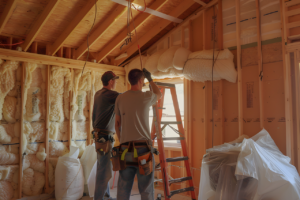
For many first-time buyers, approvals feel like a black box. Plans disappear into council offices, and weeks pass without visible progress. In reality, this phase is one of the most technically important parts of the building process.
An experienced builder coordinates:
- Development applications or planning approvals (if required)
- Building permits
- Engineering documentation
- Energy efficiency assessments
- Compliance with local codes and standards
In Australia, regulations vary between councils and states. Skilled home builders understand these local requirements and anticipate potential obstacles before they become costly setbacks.
This is where authoritativeness becomes visible. Reliable new home builders don’t guess. They work with established surveyors, engineers and certifiers. They ensure your new home meets structural, safety and environmental standards — not just at handover, but for decades to come.
Preparing the Site and Laying Foundations
Once approvals are secured, site preparation begins. This is the first tangible step in building homes, and it often brings a mix of excitement and nerves.
Depending on your property, site works may involve clearing, levelling, excavation and drainage preparation. Soil classification plays a critical role here. Different soil types require different footing systems to prevent movement over time.
Experienced home builders rely on engineering specifications rather than assumptions. Slab depth, reinforcement and moisture barriers are installed according to detailed plans. Inspections occur before concrete is poured.
To a first-time buyer, it may look like “just a slab.” To seasoned builders, it is the structural base of the entire house. Precision here prevents cracking, shifting and costly structural issues later.
Framing: When the Structure Takes Shape
Framing is often the most exciting visual stage of the build. Walls go up. Roof trusses are installed. Rooms suddenly become recognisable.
Behind that rapid transformation is careful coordination.
A professional home builder ensures:
- Structural timber or steel meets engineering requirements
- Frame installation complies with Australian Standards
- Inspections occur at mandatory stages
- Adjustments are documented and approved
At this point, your future home begins to feel real. But great home builders remain focused on accuracy rather than speed. Measurements are checked repeatedly. Openings align with planned windows and doors. Services are allowed for before walls are closed.
This disciplined approach separates experienced builders from operators who rush to the next stage without verifying details.
Lock-Up and External Works
The “lock-up” stage refers to when external doors, windows and roofing are installed, and the house can be secured. It is a significant milestone in the home building journey.
During this phase, skilled home builders coordinate:
- Roofing and insulation
- External cladding or brickwork
- Window and door installation
- Initial electrical and plumbing rough-ins
Weather protection now becomes critical. A well-managed site protects materials from moisture and damage. Attention to detail here safeguards the quality of your new home long after completion.
For buyers, this is often the moment when the project shifts emotionally. It no longer looks like a frame on a block of land. It starts to resemble a finished home.
Internal Systems and Practical Completion
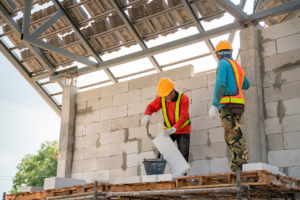 Once the services are roughed in, attention turns inward. Plasterboard is in place. Wet areas are finished with waterproofing. And cabinets, tiles and fixtures.
At this stage, detailed scheduling is required. There are lots of trades that work in sequence and a delay in one area can impact the whole timeline. This is complicated stuff and experienced home builders have systems in place to manage the complexity of projects like this.
Good builders do interior inspections before they invite clients to view the building. They review finishes, confirm compliance and proactively rectify defects. On practical completion you should be given documentation detailing warranties, certificates and maintenance information.
Transparency breeds trust. Trusted home builders will tell you what the warranty covers and how the after sales support works, as well as how to look after your home.
Handover: More Than a Set of Keys
Move-in day is more than a ceremonial key exchange. For reputable home builders, it marks the final stage of a structured journey.
At handover, you should expect:
- A detailed walkthrough of the house
- Demonstrations of systems and appliances
- Written warranties and compliance certificates
- Clear communication about defect liability periods
This is also where trust is reinforced. Established home builders remain available after completion. They understand that settling into a new home can bring questions, and responsive support strengthens long-term relationships.
Why Experience Makes the Difference
The biggest risk for first-time buyers in home building is underestimating complexity. There are dozens of regulatory requirements, hundreds of small technical decisions, and countless coordination points throughout the project lifecycle.
Experienced home builders do more than supervise trades. They:
- Anticipate structural and compliance risks
- Provide realistic budgeting advice
- Align home designs with site conditions
- Maintain clear communication
- Protect your investment at every stage
Authoritative home builders also understand that building a house is not just about today’s excitement. It is about long-term performance, resale value and everyday comfort.
Building Confidence Through Education
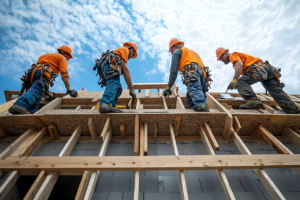 At home-builders.xyz, we aim to demystify the building process, so you can dive into your project with confidence. When designing your first home or looking at options with new home builders, knowledge helps reduce stress.
Knowing the approvals process, the importance of soil tests and what happens at each inspection stage helps make conversations between you and your builder more productive. Decisions feel like they’re informed, not reactionary.
Good home builders like to deal with educated customers. They know that transparency builds trust, and trust makes projects run smoother.
From Concept to Completion
From initial design discussions and refining floor plans, through council approvals, slab preparation, framing, finishing and final inspection, skilled home builders orchestrate a complex process with structure and accountability.
For first-time buyers, that expertise provides reassurance. For experienced clients, it delivers consistency.
Building a dream home should not feel like navigating unknown territory alone. With the right builder, each phase has purpose, documentation and professional oversight.
By understanding what truly happens from blueprint to move-in day, you place yourself in a stronger position — not just as a client, but as an informed property owner ready to enjoy the next chapter in your new home.
And that is what great home builders actually do.